Unit 2.5: Religious Beliefs & Funerary Customs
Indian History → Indian History → Pre-History → Pre-History → The Bronze Age (Indus Valley Civilization) | Author: admin | Feb 10, 2026
Introduction & Significance
The religious beliefs and funerary customs of the Indus Valley Civilization (IVC), spanning 3300–1300 BCE, remain enigmatic due to the undeciphered script and absence of monumental temples or explicit religious texts. Inferred from artifacts like seals, figurines, and burials, IVC religion appears polytheistic with nature worship, fertility cults, and possible proto-Hindu elements (e.g., Pashupati as early Shiva). Funerary practices included burials with grave goods, cremations, and fractional interments, suggesting beliefs in afterlife and social hierarchies. Significance: These reveal a peaceful, ritualistic society focused on fertility and purity, influencing later Indian traditions like Hinduism. No palaces or kings indicate egalitarian or priest-ruled governance. For exams, emphasize artifact-site linkages (e.g., Great Bath for rituals) and contrasts with contemporary civilizations (no grand tombs like Egypt).
Chronological Timeline
- 3300–2600 BCE (Early Harappan): Proto-religious symbols; simple burials at Mehrgarh.
- 2600–1900 BCE (Mature Harappan): Peak; seals/figurines (Pashupati, mother goddess); fire altars at Kalibangan; diverse burials (Harappa coffins).
- 1900–1300 BCE (Late Harappan): Simplified rituals; urn burials increase; decline with aridification.
- 1920s Excavations: Mohenjo-daro (Great Bath, figurines); Harappa (seals, burials).
- 1950s–Present: Lothal (dockyard burials); interpretations link to Hinduism (John Marshall, 1931).
Concept Explanation / Deep Dive
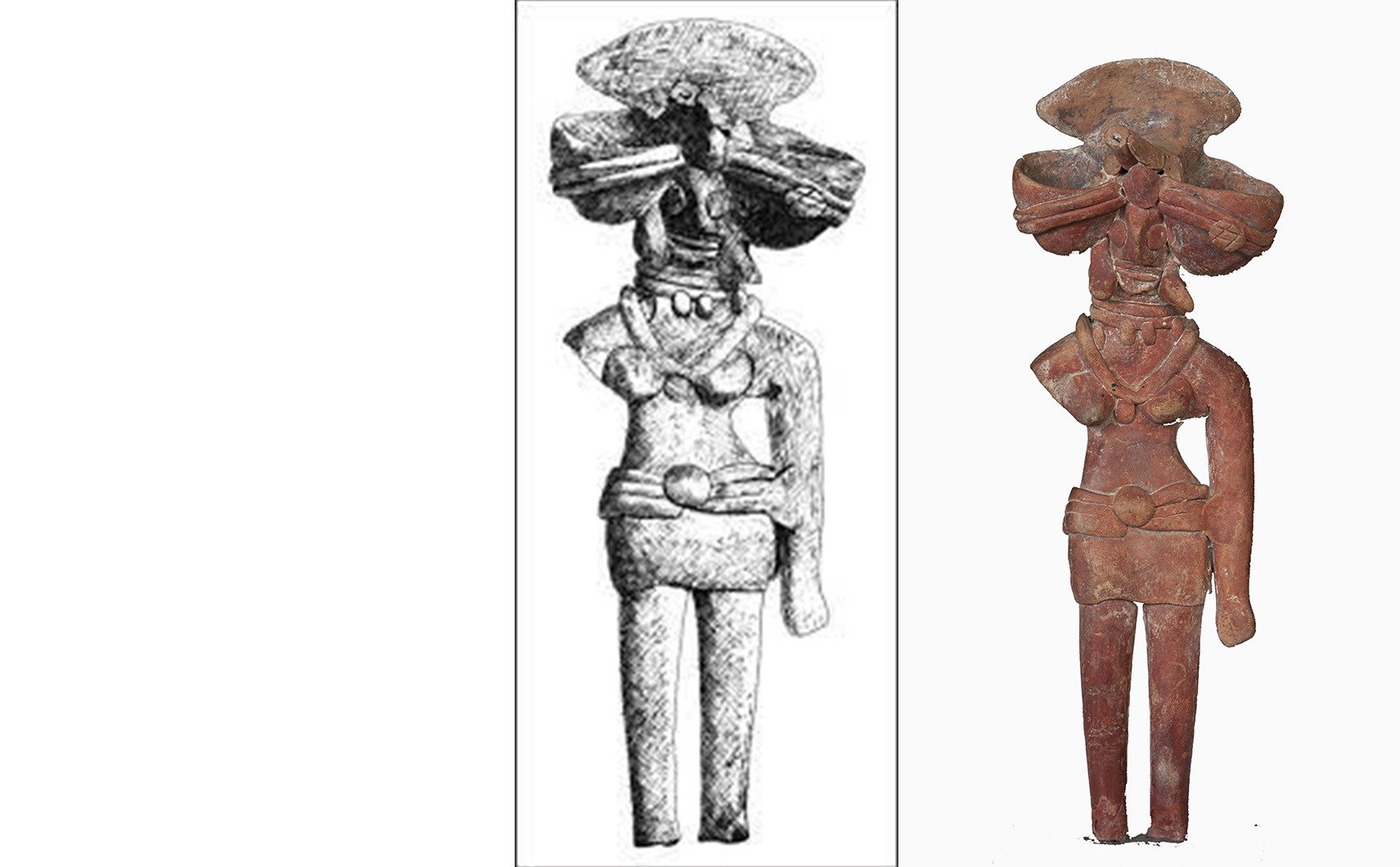
IVC religion lacked centralized temples, suggesting domestic or open-air rituals centered on fertility, nature, and animals. Key concept: Proto-Shaivism and Shakti Worship—Pashupati seal shows a horned yogic figure surrounded by animals (lord of beasts), while terracotta figurines depict mother goddesses for fertility. Purity emphasized via Great Bath (ritual bathing). Funerary customs varied regionally: fractional (exposure then burial), cremation (urns), or extended burials with goods indicating afterlife beliefs. Influenced by environment (rivers for purity), these practices reflect social equality (few elite graves) but gender differences (more ornaments for females). Site-tool-culture linkage: Kalibangan fire altars (tool: ritual platforms) tie to Vedic-like fire worship.
Key Terminology Box (Meanings & Definitions)
- Pashupati: "Lord of animals"; horned deity on seals, possible proto-Shiva.
- Mother Goddess: Fertility figurines symbolizing Shakti or Matridevi.
- Fractional Burial: Body exposed to elements before skeletal interment.
- Fire Altars: Brick platforms for rituals, suggesting fire worship.
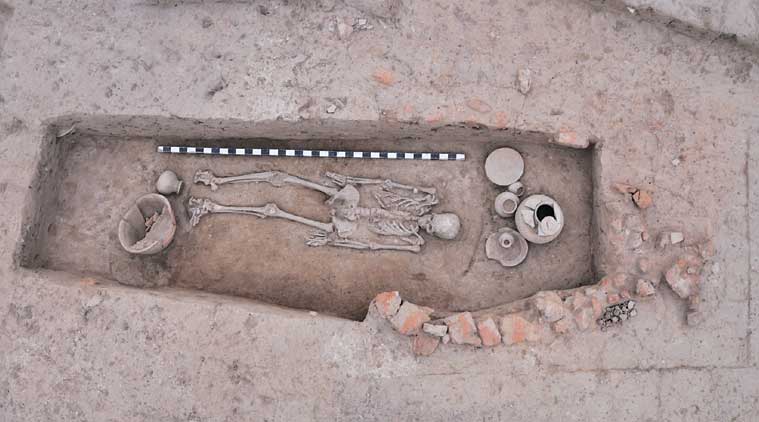
- Grave Goods: Pots, ornaments buried with dead for afterlife.
- Phallus/Yoni: Symbols of fertility (linga/yoni) in worship.
Highlight: IVC Religion = "No Temples, But Seals + Baths" – key for exam contrasts.
Important Archaeological / Factual Details
- Seals/Figurines: Over 2,000 seals (steatite); Pashupati at Mohenjo-daro; mother goddess at Harappa.
- Ritual Structures: Great Bath (Mohenjo-daro: 12x7m, waterproof); fire altars (Kalibangan: 7).
- Burials: 37 at Harappa (coffins); urns without bones at Mohenjo-daro; joint at Lothal.
- Symbols: Tree (peepal) worship; animal motifs (bull, unicorn); no human sacrifice evidence.
- Variations: Dog burial with human at Ropar; brick-lined graves.
Tools, Lifestyle, Culture
- Tools: Seals (for rituals/trade), terracotta figurines, fire altars; no metal idols.
- Lifestyle: Domestic worship; bathing for purity; burials with everyday items (pots, beads).
- Culture: Fertility-focused, peaceful; possible shamanism; afterlife beliefs via goods.
Site–Tool–Culture Linkage:
- Mohenjo-daro: Great Bath + Pashupati seal ? Ritual purity culture.
- Harappa: Mother goddess figurines + coffins ? Fertility/afterlife beliefs.
- Kalibangan: Fire altars + burials ? Fire worship culture.

Frequently Asked Exam Facts
- No temples/palaces; rituals in homes/baths.
- Pashupati: Yogic pose, three faces, animals.
- Burials: North-south orientation; goods for afterlife.
- Gender: More female ornaments in graves.
- Links to Hinduism: Peepal, fire, Shiva prototypes.
Comparison Tables / Charts
| Aspect | Religion | Funerary Customs |
|---|---|---|
| Evidence | Seals (Pashupati), figurines (mother goddess) | Grave goods (pots, beads), urns |
| Sites | Mohenjo-daro (Bath), Kalibangan (altars) | Harappa (coffins), Lothal (joint) |
| Beliefs | Fertility, nature worship, purity | Afterlife, no sacrifice |
| Tools/Symbols | Phallus/yoni, tree motifs | Brick-lined graves, exposure |
| Culture Link | Proto-Hindu elements | Social equality, gender diffs |
Solved Example Questions
- Question: Which deity is depicted on the Pashupati seal? Answer & Explanation: Proto-Shiva (lord of animals). (Explanation: Horned figure with beasts; proto-Hindu link.)
- Question: What indicates belief in afterlife in IVC? Answer & Explanation: Grave goods in burials. (Explanation: Pots/beads for use after death.)
- Question: Where were fire altars found in IVC? Answer & Explanation: Kalibangan. (Explanation: Ritual platforms; fire worship.)
Flowchart Summary
Start: Early IVC (~3300 BCE) ? Simple Symbols (Trees/Animals)
?
Mature Phase (2600 BCE) ? Worship: Mother Goddess + Pashupati ? Rituals (Baths/Altars)
?
Funerary: Exposure/Cremation ? Burial with Goods (Afterlife)
? (Branches)
Culture: Fertility/Purity ? Domestic Rituals
Decline (1900 BCE): Simplified Practices ? Hindu Continuity
?
End: Undeciphered Legacy
Spatial Context (Indian Archaeological Sites)
- Pakistan Sites: Mohenjo-daro (Great Bath, seals); Harappa (figurines, coffins).
- Indian Sites: Kalibangan (Rajasthan)—fire altars; Lothal (Gujarat)—joint burials; Ropar (Punjab)—dog burial; Rakhigarhi (Haryana)—skeletons.Highlight: Sites cluster in northwest; river proximity for purity rituals—map key.
Ultra-Short Exam Capsule
- Religion: Pashupati/mother goddess, no temples; Funerary: Burials/cremations with goods; Sites: Mohenjo-daro (Bath), Harappa (coffins); Link: Fertility + afterlife culture.
Type 2 – Quick Revision & Exam Tricks
- Highlights & Tricky Points: Religion inferred (no texts); burials vary—fractional not full cremation always; no temples (tricky vs. Vedic).
- Memory Aids/Mnemonics: "Pashu-Mother-Fire-Bath" ? Pashupati, Mother Goddess, Fire Altars, Great Bath. "Harappa Coffins, Lothal Couples" for burials.
- Quick Bullet-Style Revision:
- Timeline: 2600–1900 BCE peak.
- Beliefs: Fertility (mother goddess), animals (Pashupati), purity (Bath).
- Funerary: Fractional/cremation; goods for afterlife.
- Sites: Mohenjo-daro (seals/Bath), Kalibangan (altars), Harappa (coffins).
- Culture: Proto-Hindu; no idols/temples.
- Linkage: Site (Kalibangan) ? Tool (altars) ? Culture (fire worship).
- Common Exam Traps: Confusing Pashupati with unicorn (unicorn separate seal); assuming temples (none found).
- Confusing Concepts: Phallus/yoni vs. modern linga (proto-forms); dog burial (Ropar, not common).
- Key Terminology/Sites/Tools: Pashupati, Fractional Burial; Mohenjo-daro-Harappa-Kalibangan; Seals-Figurines-Altars.
Type 3 – PYQs & Expected Questions
Previous Year Questions
- SSC CGL: Couple burial was found in which of the following Harappan sites? Final Answer: Lothal.
- RRB NTPC: In which of the following sites was found the evidence of burying a dog with a human burial? Final Answer: Ropar.
- UPPSC: The people of Indus Valley Civilization worshipped? Final Answer: Mother Goddess.
- SSC JE: Evidence of fire altars in IVC is found at? Final Answer: Kalibangan.
- SSC CGL: Which structure in Mohenjo-daro indicates ritual bathing? Final Answer: Great Bath.
Expected/High-Probability Questions
- What is the significance of the Pashupati seal in IVC religion? Final Answer: Depicts proto-Shiva as lord of animals.
- Name the IVC site with coffin burials. Final Answer: Harappa.
- Which belief is indicated by grave goods in IVC burials? Final Answer: Afterlife.
- In IVC, what was worshipped as Matridevi? Final Answer: Mother Goddess.
- Compare IVC religious structures with Mesopotamia. Final Answer: IVC: No temples; Mesopotamia: Ziggurats.
- Evidence of fractional burial is associated with which IVC practice? Final Answer: Exposure before interment.